An early giant
It was one of the first really large dinosaurs, and an early relative of the long-necks.
The first dinosaurs · Long-necked plant-eaters
Broad lizard · PLAT-ee-oh-SORE-us
A big plant-eater with a long neck, a small head, a heavy body and strong hind legs.
Plods after you on its hind legs. Move your pointer and see.
To scale
The bars are drawn to the same scale. On these pages the animals are sized in proportion to each other as far as a screen allows: the giants are shrunk a little and the smallest are enlarged, so that you can see them all.
Good to know
It was one of the first really large dinosaurs, and an early relative of the long-necks.
For years it was shown on all fours. Its arms could not turn palm-down, so it walked on its hind legs.
So many have been found in Germany that it is one of the best-known dinosaurs of all.
Many seem to have died trapped in sticky mud. Their bodies were found upright.
Some adults were five metres long and others ten. How big it got may have depended on food and weather.
A large claw on each thumb may have been for defence or for pulling down branches.
The real thing
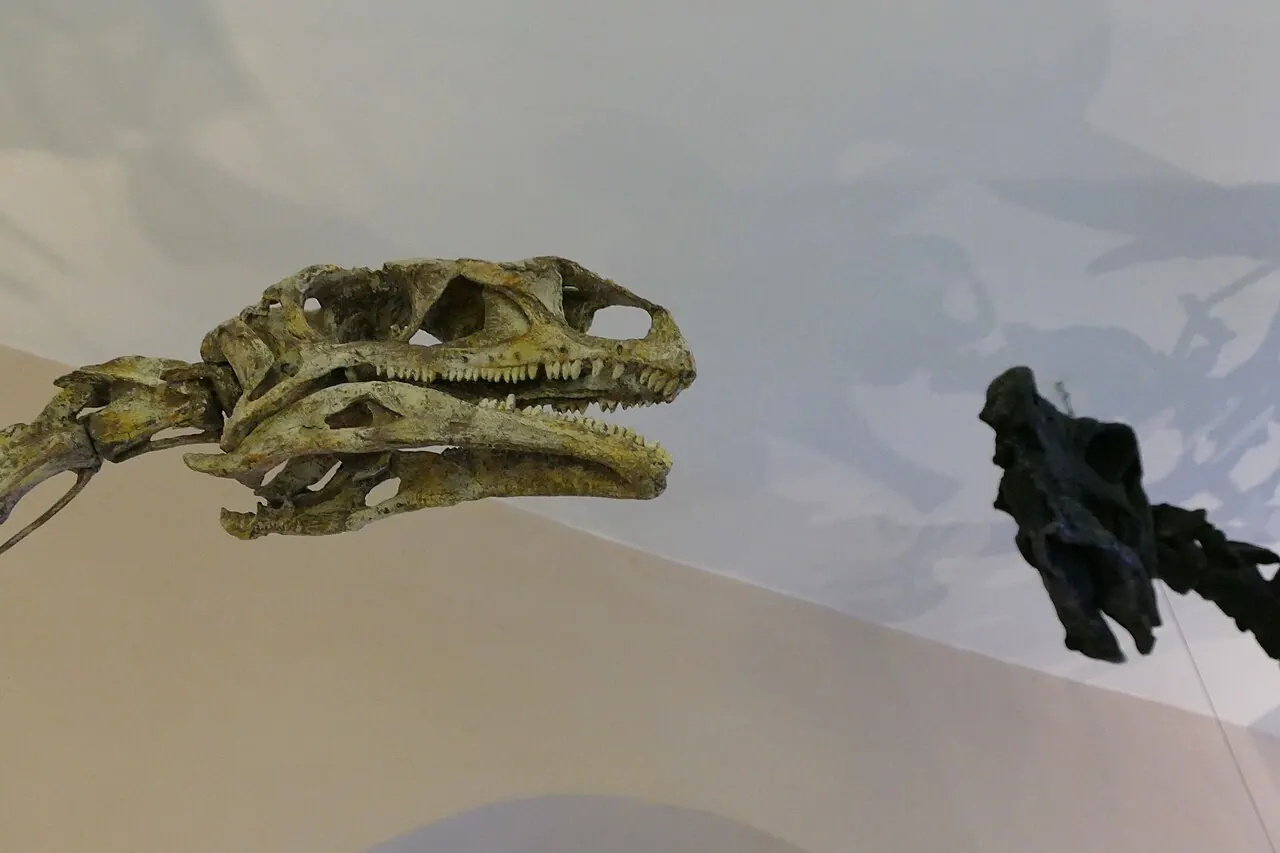
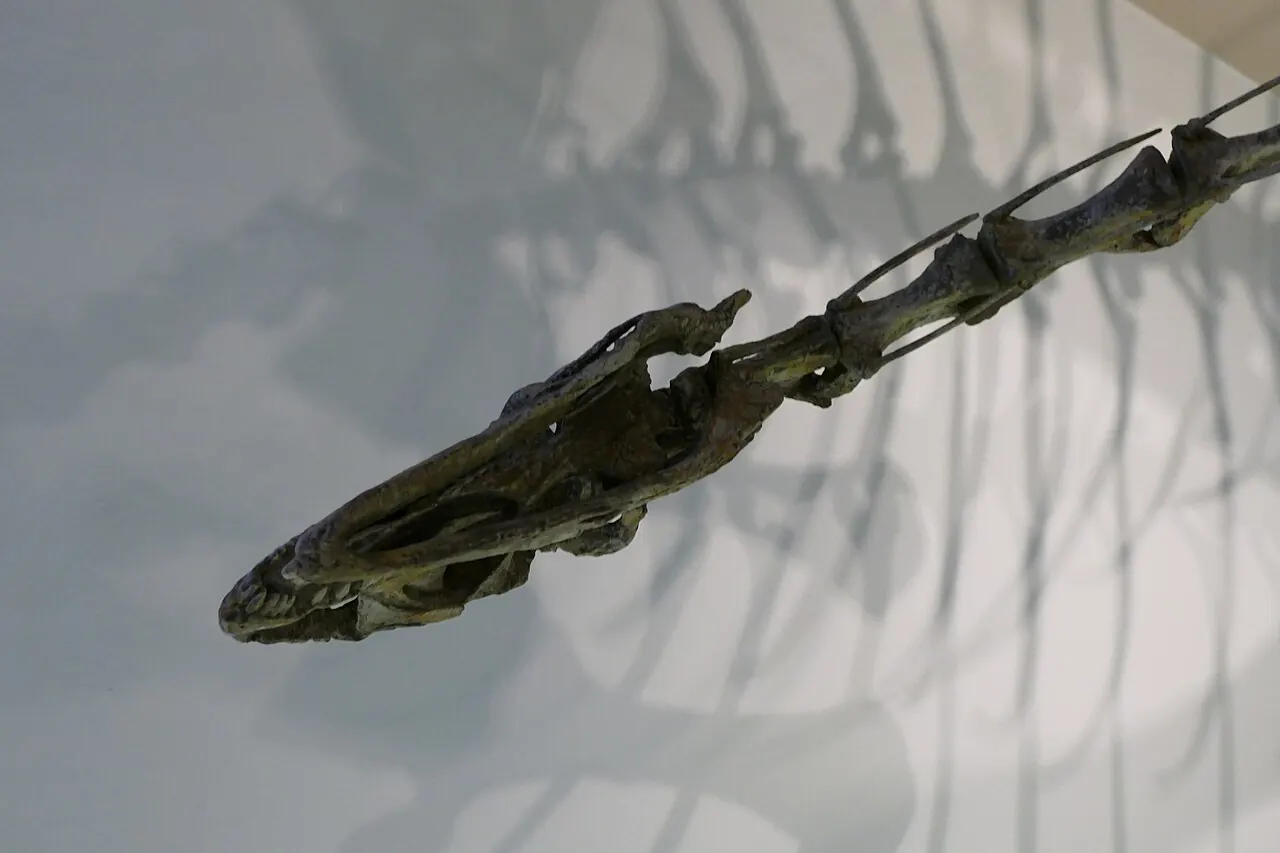
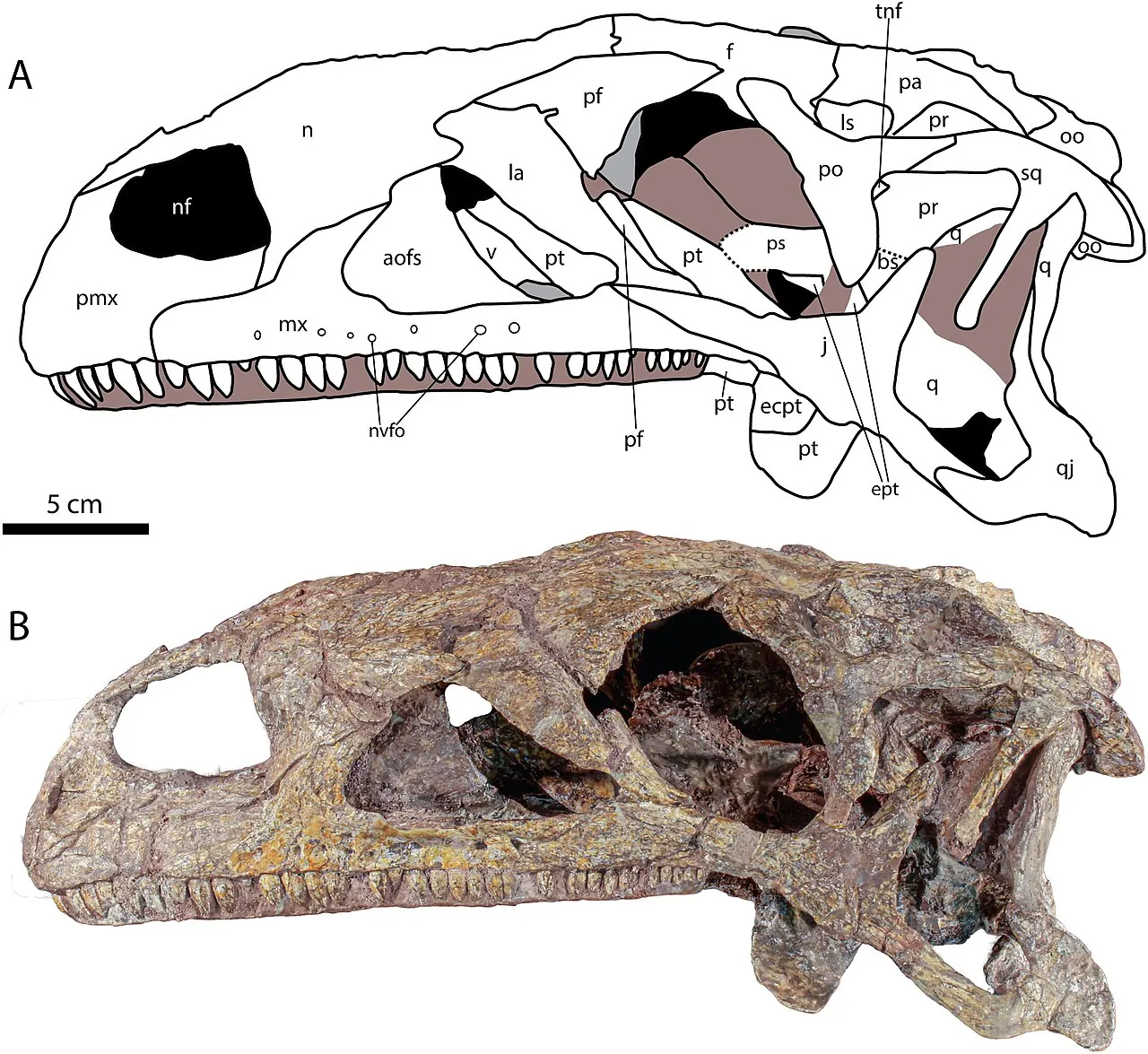
Photos are from Wikimedia Commons, used under the free licences shown. They have been resized, and cropped where they appear in link previews.
Leaves from conifers and cycads, reached by standing tall on its hind legs.
The many skeletons from Trossingen in Germany let scientists study how individuals differed, which is very rare.
Keep going
‹ HerrerasaurusBack to The first dinosaursA to ZThecodontosaurus ›
Animals from other periods live on their own pages: choose another.


