The Bristol dinosaur
It was found in a quarry in Bristol in 1834, and is nicknamed the Bristol dinosaur.
The first dinosaurs · Long-necked plant-eaters
Socket-tooth lizard · THEE-co-DON-toe-SORE-us
A small, slim plant-eater with a longish neck, a small head and a long tail.
Scurries after you. Move your pointer and see.
To scale
The bars are drawn to the same scale. On these pages the animals are sized in proportion to each other as far as a screen allows: the giants are shrunk a little and the smallest are enlarged, so that you can see them all.
Good to know
It was found in a quarry in Bristol in 1834, and is nicknamed the Bristol dinosaur.
It was named in 1836, before the word dinosaur had even been invented.
The Bristol area was then a group of small tropical islands.
Its later relatives were the largest land animals ever. It may have stayed small because it lived on islands.
Many of the original bones were destroyed when the Bristol museum was hit in 1940.
Scans of its skull suggest good balance and that it could move nimbly on two legs.
The real thing
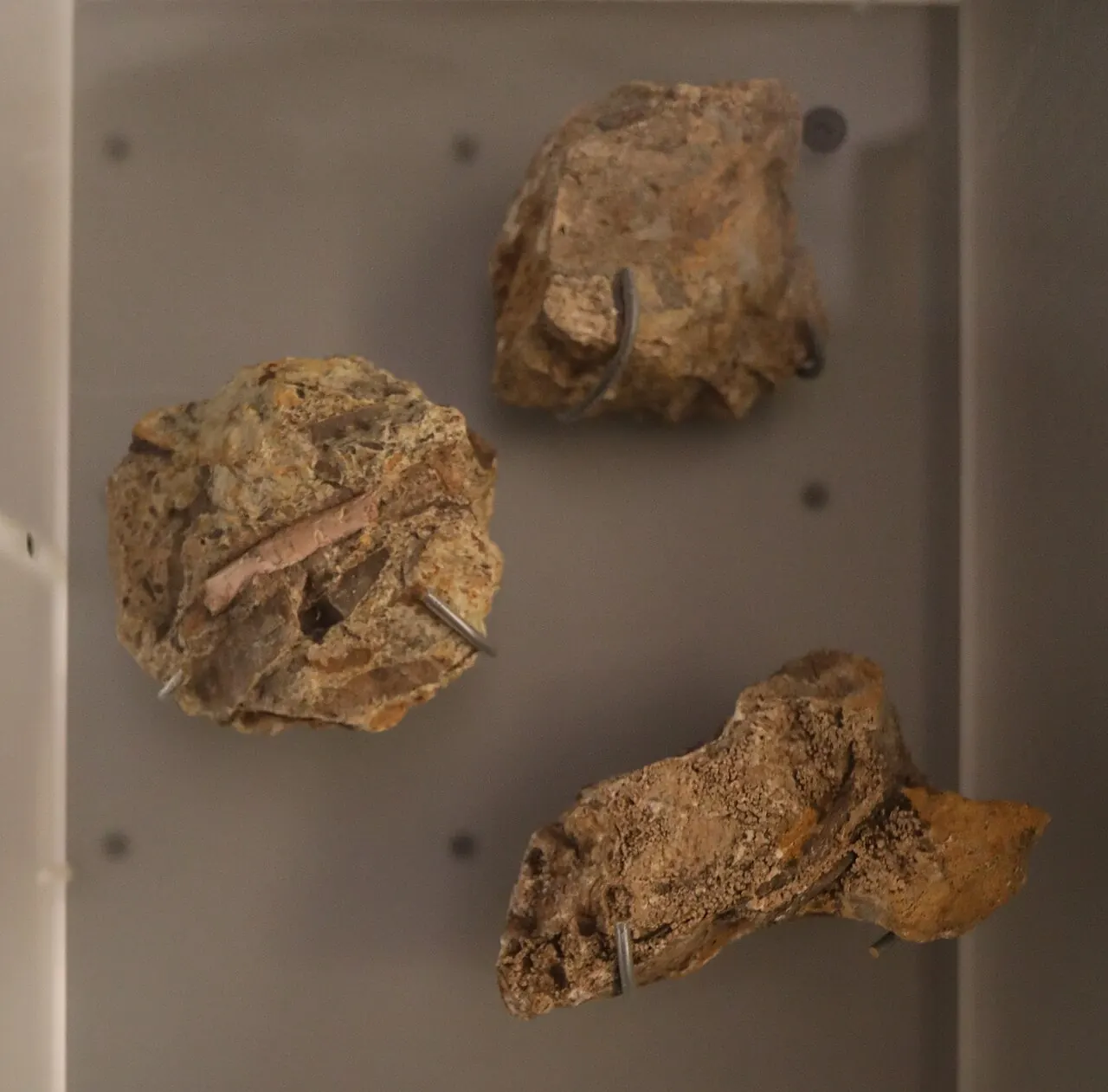
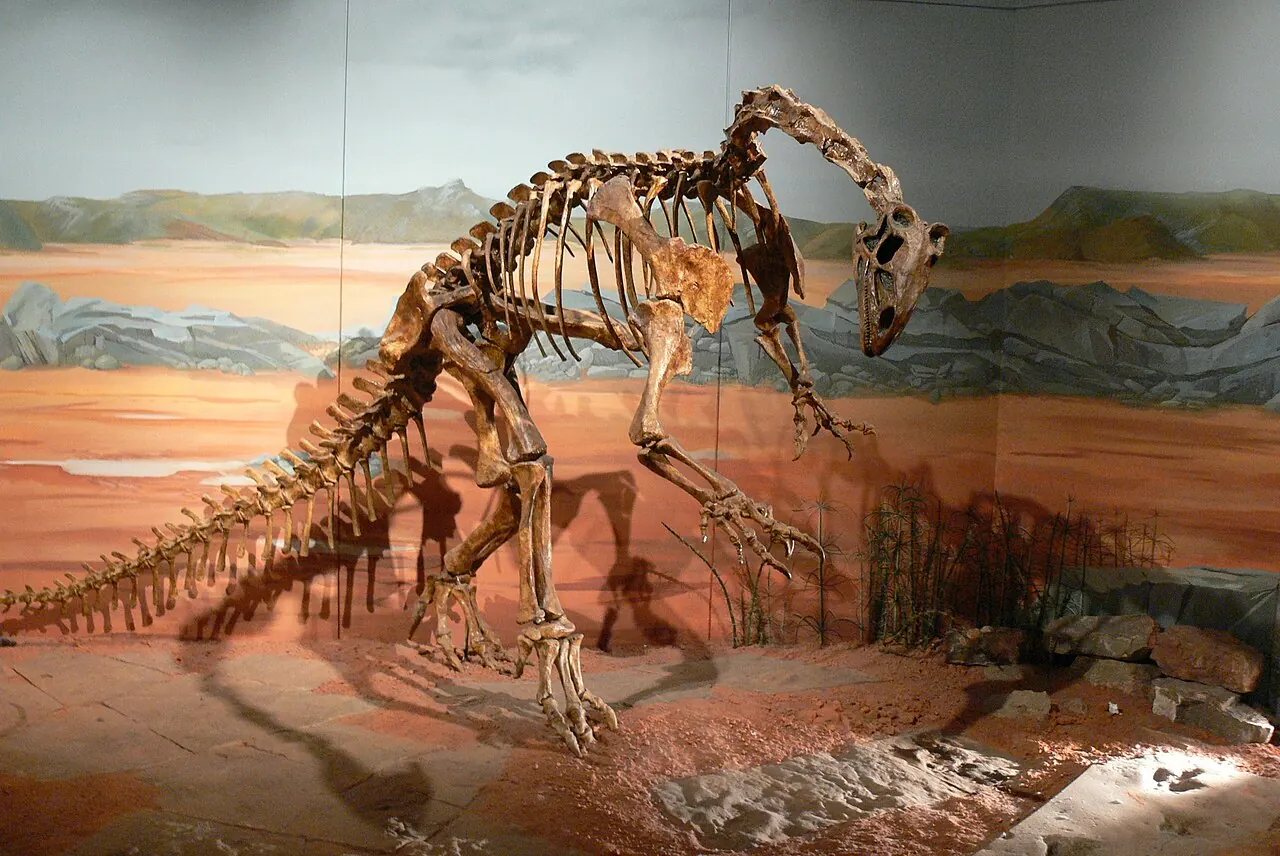
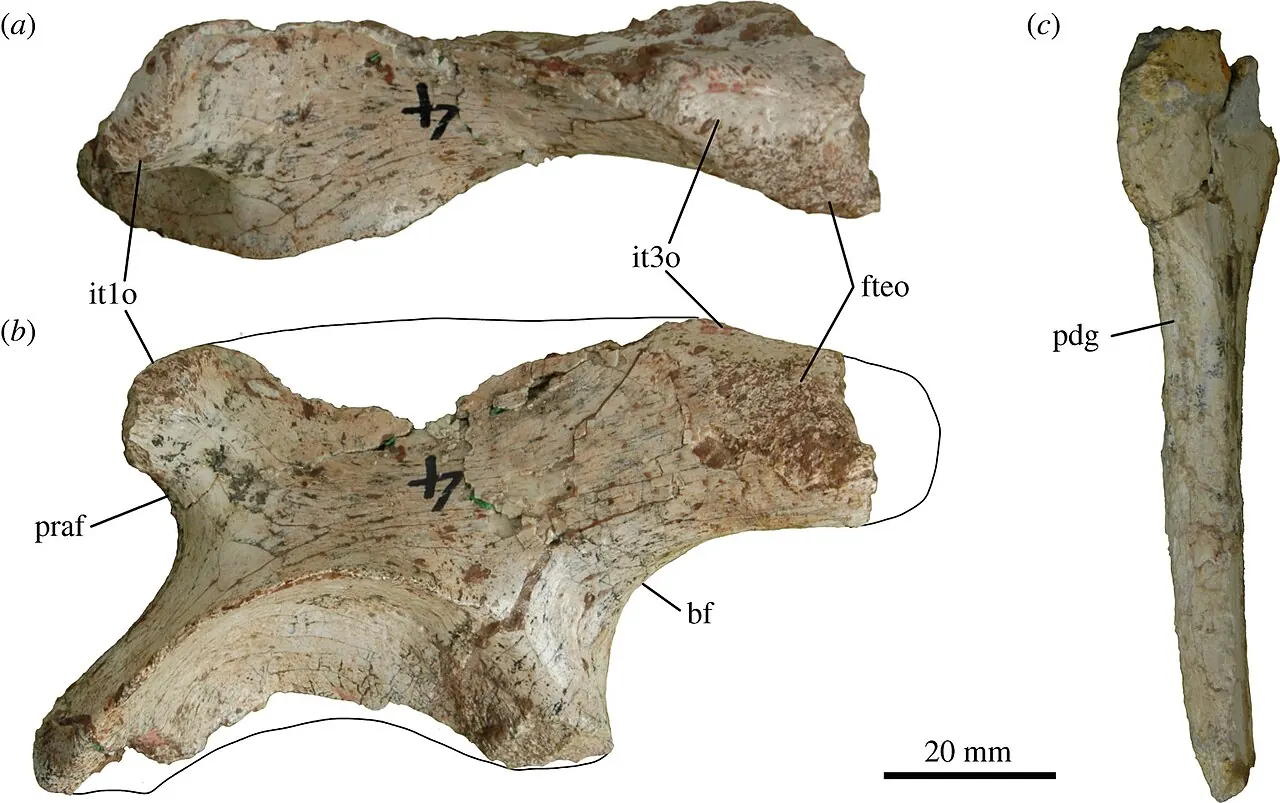
Photos are from Wikimedia Commons, used under the free licences shown. They have been resized, and cropped where they appear in link previews.
Low-growing plants, and perhaps the odd insect.
Thousands of bones were found washed into caves and cracks in the limestone of the old islands.
Keep going
‹ PlateosaurusBack to The first dinosaursA to ZLiliensternus ›
Animals from other periods live on their own pages: choose another.


