The second dinosaur named
It was named in 1825 by Gideon Mantell, a Sussex doctor, from teeth that looked like a giant iguana's.
The plant-eaters · Beaked plant-eaters
Iguana tooth · ig-WAH-no-don
A large plant-eater with a horse-like head, a toothless beak and a sharp spike on each thumb.
Strolls after you. Move your pointer and see.
To scale
The bars are drawn to the same scale. On these pages the animals are sized in proportion to each other as far as a screen allows: the giants are shrunk a little and the smallest are enlarged, so that you can see them all.
Good to know
It was named in 1825 by Gideon Mantell, a Sussex doctor, from teeth that looked like a giant iguana's.
Early drawings placed the spike on its nose like a rhino's horn. It turned out to be a thumb.
In 1878 miners in Belgium found dozens of complete skeletons 322 metres underground.
A spiked thumb, three middle fingers for walking on and a bendy little finger for grasping.
In 1853 a dinner party was held inside a life-size model of one at Crystal Palace.
Its upper jaw could flex outwards, grinding food against the lower teeth.
The real thing
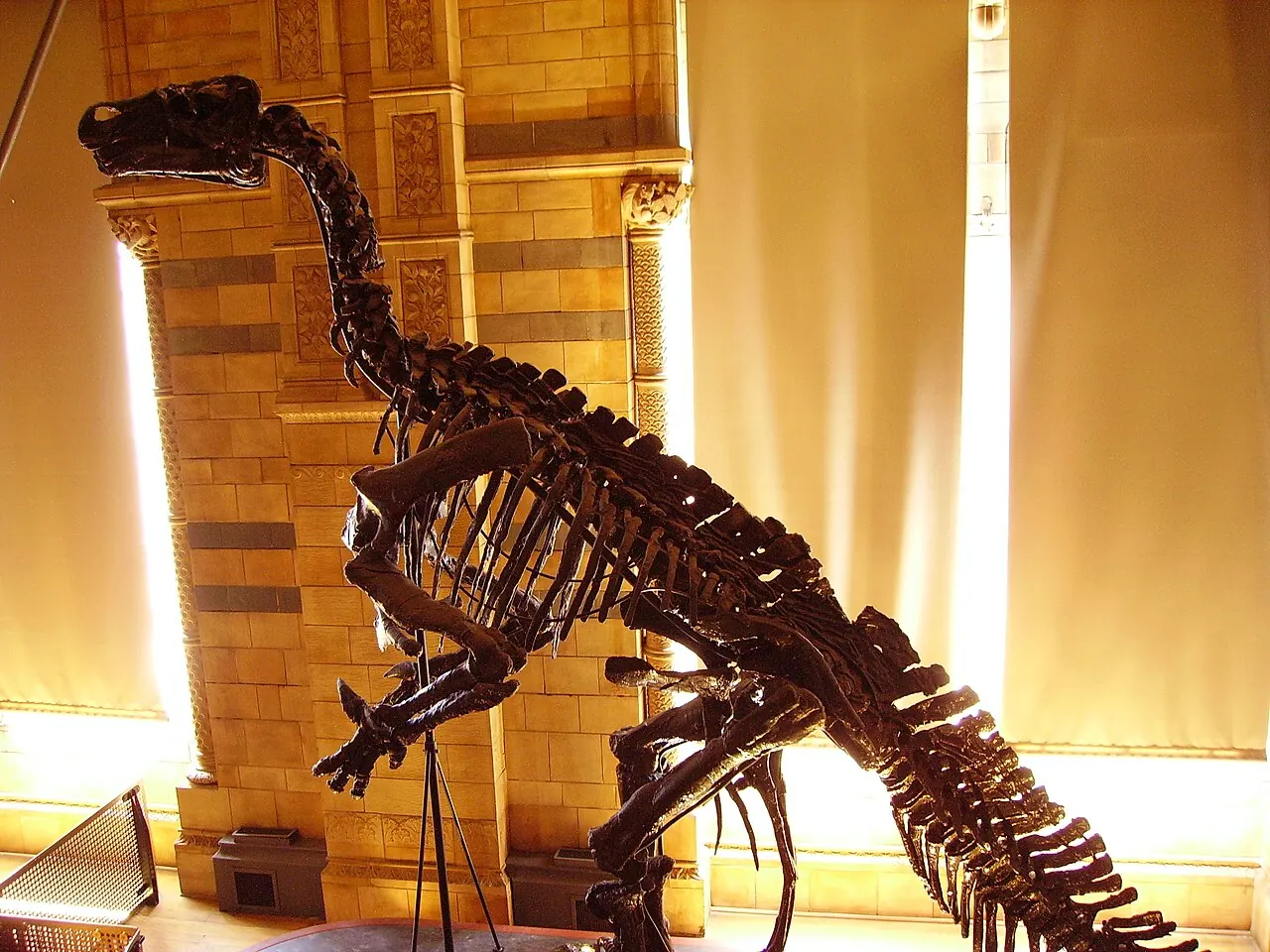
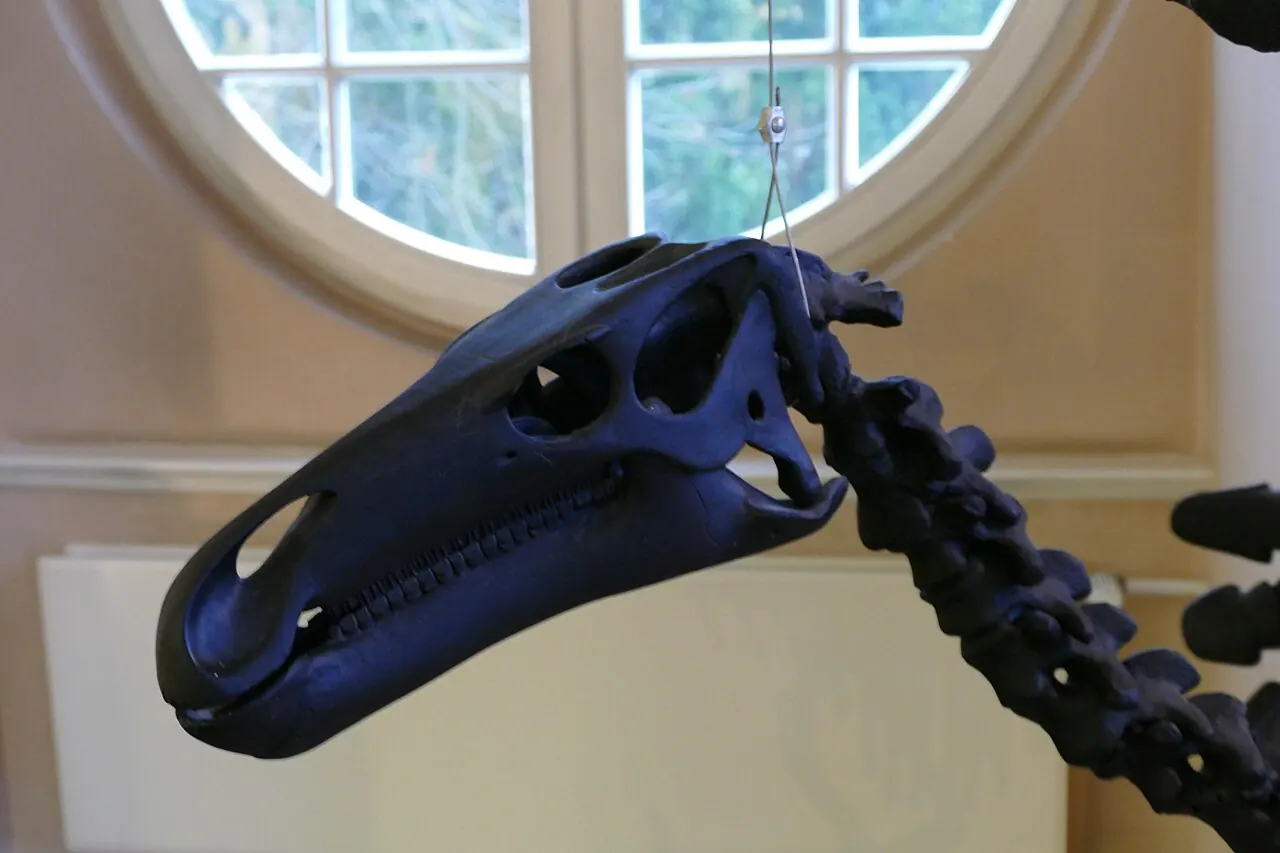
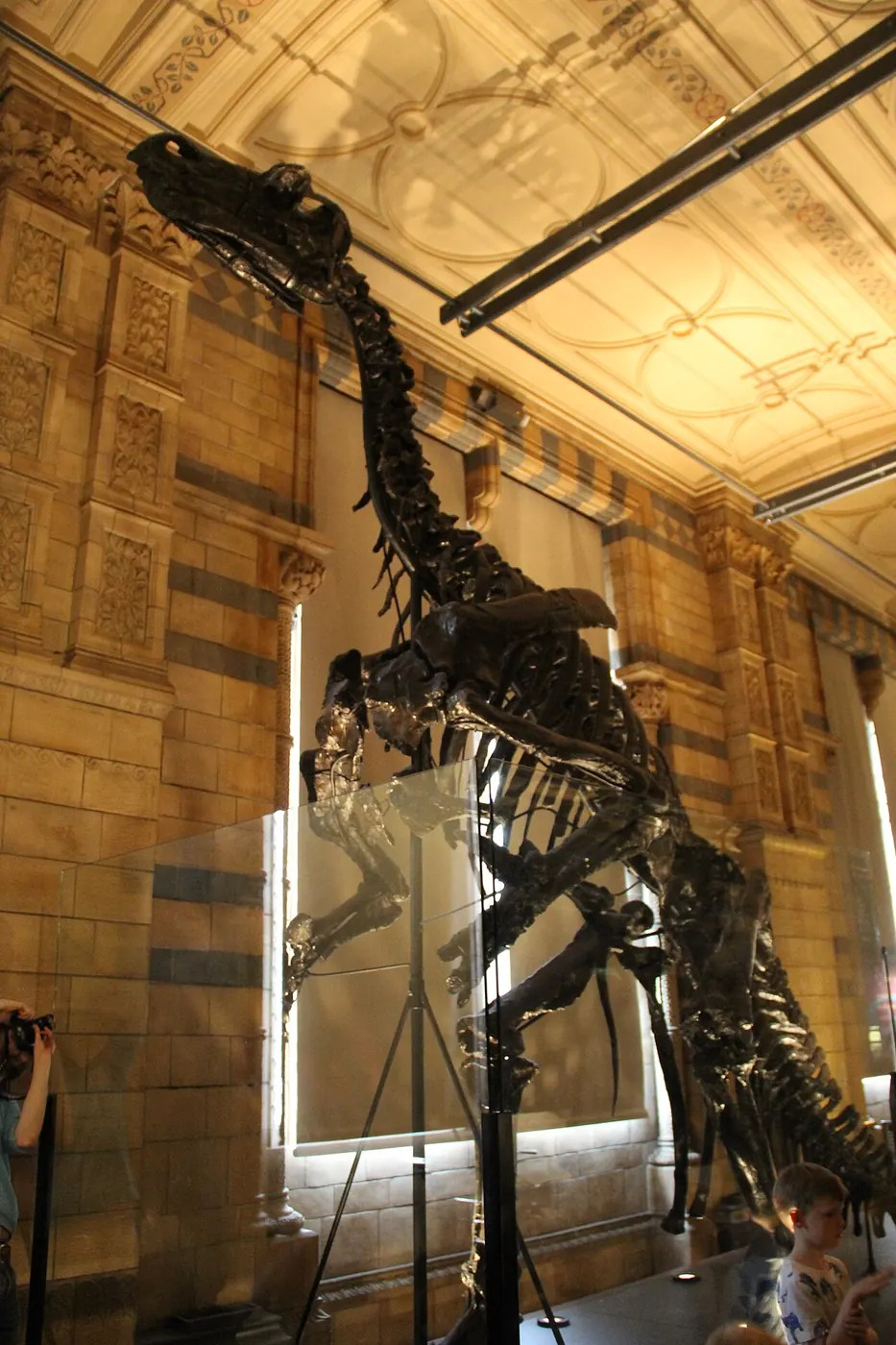
Photos are from Wikimedia Commons, used under the free licences shown. They have been resized, and cropped where they appear in link previews.
Horsetails, ferns and cycads.
The Belgian skeletons are among the most complete dinosaurs ever found.
Keep going
‹ ParasaurolophusBack to The plant-eatersA to ZPachycephalosaurus ›
Animals from other periods live on their own pages: choose another.


.jpg)